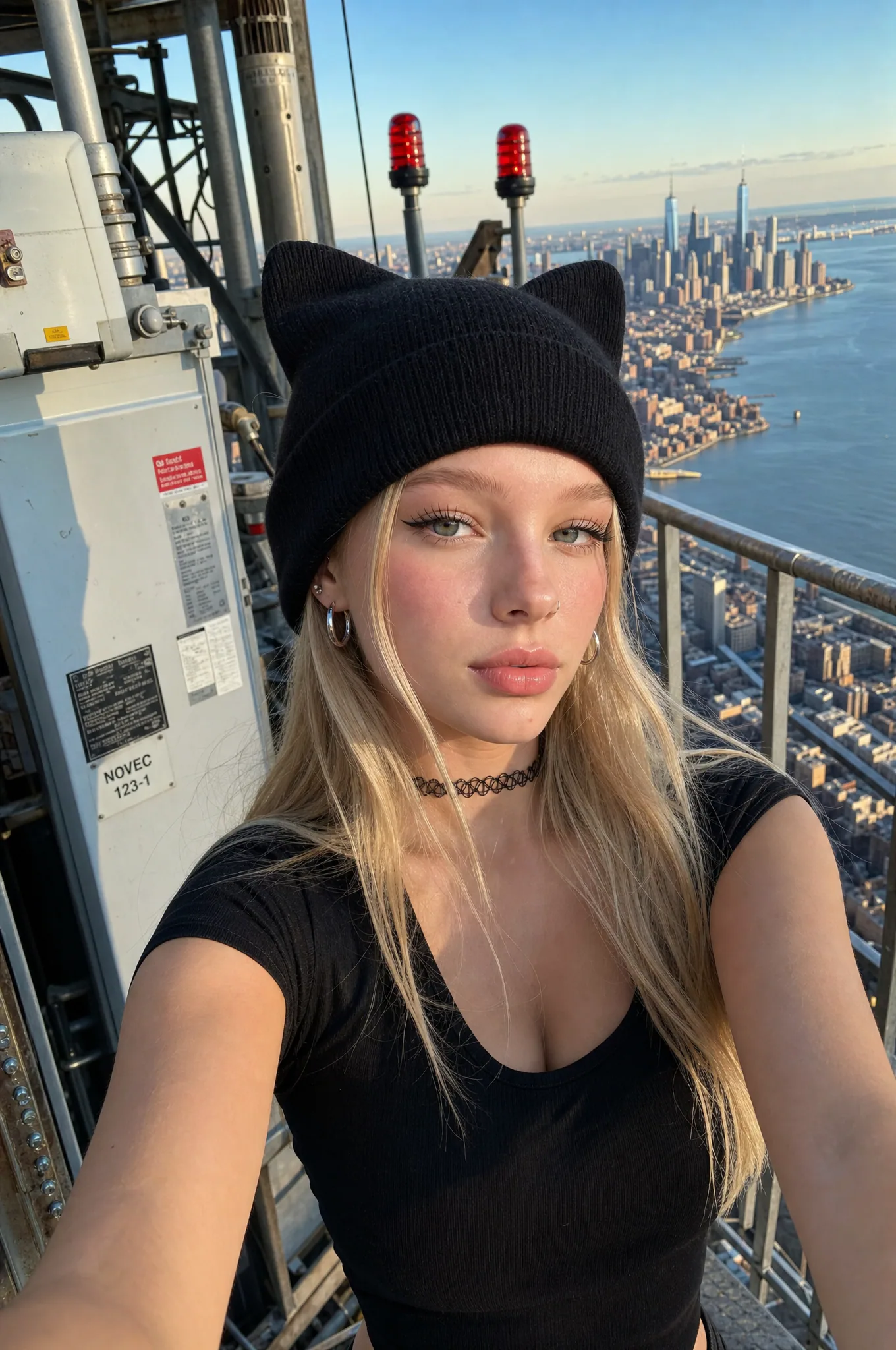



The short version (and a caveat)
This is general platform-policy information, not legal advice — and platform rules change faster than regulation, so verify the current policy text before a large campaign. The stable pattern across Instagram, TikTok and YouTube: realistic AI-generated content must be disclosed, each platform provides a tool to do it, and unlabeled synthetic media risks platform-applied labels, reduced distribution or removal.
The AI content label glossary entry covers the concept; this post covers the per-platform mechanics and the single workflow that satisfies all three at once.
Instagram and the Meta ecosystem
Meta labels AI content two ways: self-disclosure when you post, and automatic labeling when its systems detect — or receive provenance signals indicating — synthetic content. For photorealistic persona content the practical rule is to disclose rather than gamble on detection: a platform-applied label after the fact reads worse to an audience than a label you chose, and Meta's policy language reserves penalties for accounts that repeatedly skip disclosure.
Working persona accounts pair bio-level disclosure ('AI-generated persona') with per-post disclosure, which also aligns with how the Instagram persona playbook approaches audience trust: the account is openly synthetic, so nothing can be 'exposed'.
TikTok
TikTok is the most explicit of the three: it requires creators to label realistic AI-generated content, provides a dedicated AI-generated content toggle, and auto-labels content it identifies as synthetic — including via provenance metadata such as Content Credentials. Unlabeled realistic synthetic media can be removed under its synthetic-media policy.
For an AI persona account the operational rule is one word: always. The toggle stays on for every post featuring the persona, no per-post judgment call required. If your pipeline exports through editing tools, re-check the toggle after upload — labels apply per post, not per account, and re-uploads reset them.
YouTube
YouTube requires disclosure at upload for realistic altered or synthetic content: the upload flow asks whether the video contains it, and applies a label — displayed more prominently for sensitive topics. For persona channels and Shorts, that means answering the disclosure question honestly on every upload.
Repeated failure to disclose risks penalties up to content removal or channel-level consequences, and YouTube reserves the right to apply labels itself when creators do not. For persona channels the disclosure question becomes routine after the first week; build it into the upload checklist next to captions and end screens.
Do AI labels hurt reach?
The honest answer: there is no public, reliable data isolating the label's effect, and anyone quoting a precise reach penalty is inventing it. What can be said from the enforcement pattern is directional — the penalties platforms document are for missing labels, not for present ones, and platform-applied labels on caught content often arrive with distribution consequences that self-applied labels do not.
The strategic read is that the label is table stakes, not a handicap you can dodge: competing synthetic content carries the same label, and audiences on all three platforms now scroll past labeled AI content constantly. Creative quality decides performance within the labeled pool.
Organic and paid are two different disclosure stacks
The AI label answers 'is this synthetic?' — it does not answer 'is this an ad?'. Paid placements and sponsored content still need standard advertising disclosure on top of the AI label, and the two do not substitute for each other in either direction.
For an AI persona running sponsorships, that means three simultaneous truths on one post: it is AI-generated (platform label), it is paid (ad disclosure), and any product claims are the brand's substantiated claims — never the synthetic persona's personal testimony. Get the stack right once in a posting template and reuse it; the cost of compliance is one checklist, while the cost of a deceptive-ads strike is the account.
What happens if you skip labels
The consistent enforcement pattern across all three platforms is distribution-first: platform-applied labels, reduced reach, and removal for repeat or serious cases. That is usually a bigger business problem than the legal layer, and it arrives much faster.
The legal layer is still real: the EU AI Act's transparency duties and the FTC's rules against deceptive endorsements apply regardless of what any platform tolerates. A synthetic persona presented as a real customer violates all of it at once — platform policy, EU transparency rules and endorsement law.
One workflow that satisfies all three
Honest labeling is also a positioning choice, not just a compliance one: openly-synthetic accounts skip the 'is she real?' churn entirely and build an audience that opted in knowingly — the only kind of audience that survives a platform policy change. It future-proofs, too: every regulatory proposal in this space points toward more labeling, not less, and accounts built on disclosure inherit each new rule already compliant.
- Bio: a plain-language 'AI-generated persona' statement on every platform profile
- Post: the native AI label or toggle on, for every post with a realistic synthetic person
- Pipeline: keep provenance metadata intact — do not strip it in your export step, and know what is actually in the file
- Ads: labeled creative plus normal ad-disclosure duties; never a synthetic 'real customer'
- Audit: platform policies move — re-check all three policy pages monthly
Primary sources
Official references for checking current policies and requirements.
- Meta's approach to labeling AI-generated content — Meta
- Edited Media and AI-Generated Content — TikTok Community Guidelines
- Disclosing use of altered or synthetic content — YouTube Help