


AI influencer & UGC terminology, in plain language
The terms used across this site, the product and the wider AI-creator space — each defined in a couple of sentences, no marketing gloss. Link to any definition directly via its anchor.
AI influencer
A fully synthetic, computer-generated persona that publishes social media content like a human creator — with a consistent face, style and personality — but does not correspond to any real person. AI influencers are typically created by training an image-generation model on a reference set, then generating all future content from that trained identity.
How to build a consistent AI influencer →Virtual influencer
An umbrella term for any non-human social media persona, including 3D-rendered characters, illustrated mascots and photorealistic AI-generated personas. 'AI influencer' usually refers specifically to the photorealistic, model-generated kind.
UGC (user-generated content)
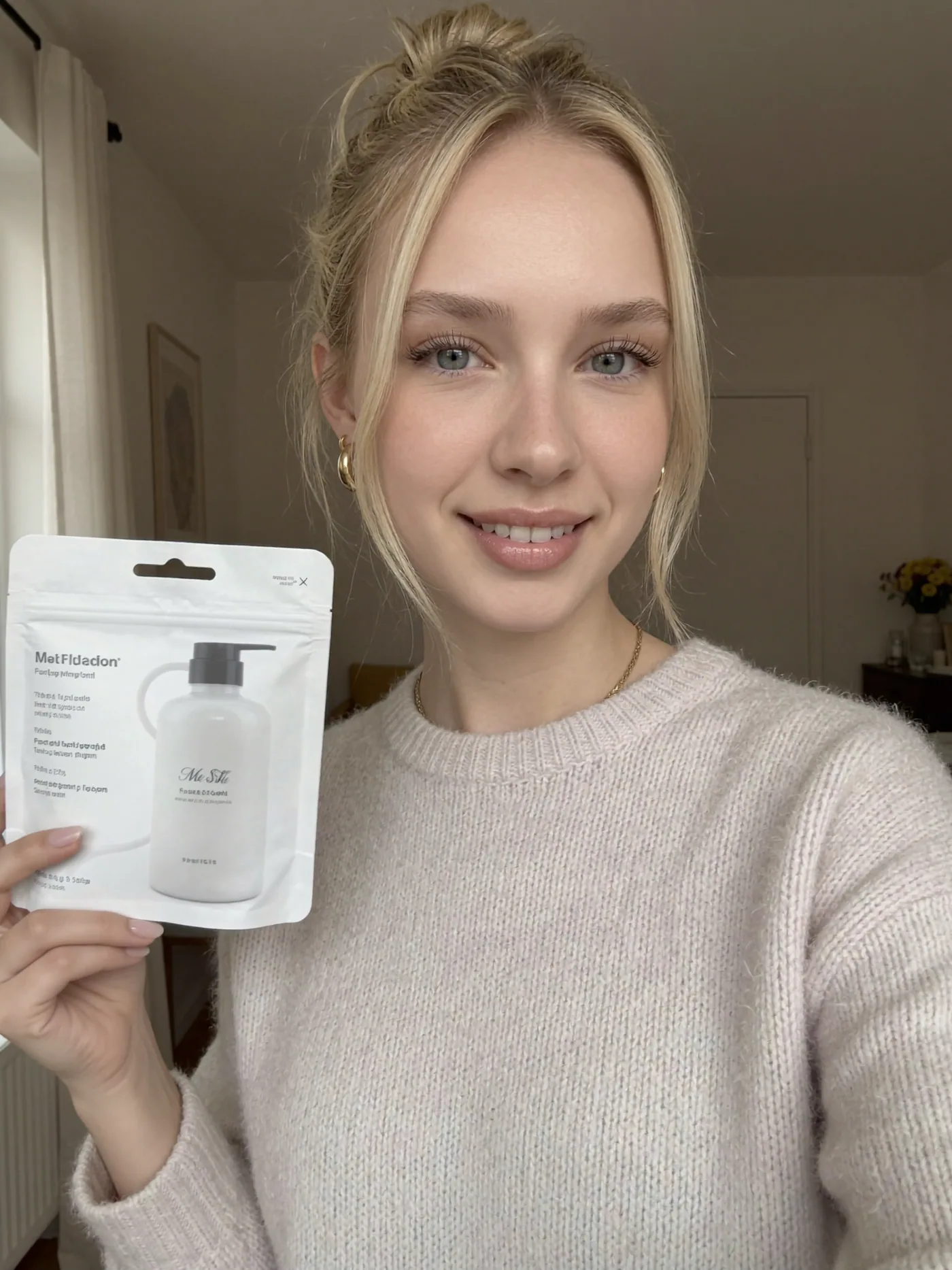
Content that looks like it was casually created by a real customer or creator — handheld framing, natural light, candid delivery — as opposed to polished studio advertising. In performance marketing, 'UGC' now mostly describes this production aesthetic rather than who actually made the content.
AI UGC
UGC-style advertising creative produced with AI-generated personas instead of sourced human creators. Used to reach the creative volume paid-social testing requires without per-creator sourcing costs.
AI UGC ad generation →Synthetic media
Any media (images, video, audio) generated or substantially modified by AI rather than captured from reality. Regulations such as the EU AI Act attach transparency obligations to synthetic media that depicts realistic people.
Disclosure & legal basics →Model training
The one-time process of teaching an image-generation model a specific persona's identity from a set of reference photos. After training, the persona can be generated in unlimited new scenes without re-describing its appearance in each prompt.
Reference set
The curated collection of photos (typically 8–20) used to train a persona. Reference quality and variety — angles, lighting, expressions — directly determine how consistent and robust the trained identity is.
From reference photos to a brand-safe persona →Identity lock
Fixing a persona's facial identity at training time so that every subsequent generation shares the same face and build. The alternative — re-describing a character in each prompt — produces visible identity drift between images.
Persona drift
The gradual or sudden change of a generated character's face, build or style between images. Drift is the main failure mode of prompt-only character workflows and the problem trained, identity-locked models exist to solve.
Preset (Forge Style)
A reusable style template that fixes scene, lighting, framing and mood for a generation, so a content series stays visually coherent. Presets separate the persona (trained once) from the look (chosen per shoot).
Prompt
The text instruction describing what a generation should depict — scene, wardrobe, mood, composition. With a trained persona, prompts describe the situation only; the identity comes from the model.
Seed / seed reproducibility
A number that initializes the randomness of a generation. Reusing the same seed with the same prompt and settings reproduces the same image, letting you revisit and iterate on a look instead of re-rolling from scratch.
Credits
The usage unit spent on generations. On InfluencerForge.app a 720p image costs 12 credits (up to 20 at 4K), a UGC product image 15, an image-to-video clip 300–600, and training a new model is a one-time 720 credits.
Full credit cost table →Image-to-video
Generating a short motion clip (typically 5–10 seconds) from a single still image, preserving the subject and scene while adding camera or subject movement. Used to turn winning stills into motion placements.
Talking head
A presenter-style video framing where a persona speaks directly to camera, common in explainer content and testimonial-style ads. On InfluencerForge.app, talking-head generation is on the roadmap and not yet billable.
Lipsync
Synchronizing a persona's mouth movements to an audio track in video. Combined with AI voice, it turns scripted copy into spoken presenter clips. On InfluencerForge.app, lipsync is on the roadmap and not yet billable.
Commercial license
The right to use generated content in revenue-generating contexts — paid advertising, e-commerce listings, branded social and print. On InfluencerForge.app, all renders on paid plans include a commercial license; free-tier exports are watermarked and non-commercial.
Deepfake (vs. synthetic persona)
AI-generated media that depicts a real, identifiable person doing or saying something they did not. Distinct from an original synthetic persona, which corresponds to no real person. Deepfakes of real people without consent are prohibited on InfluencerForge.app and legally risky in most jurisdictions.
Likeness rights explained →AI disclosure / AI label
Marking published content as AI-generated, via visible statements (e.g. in an account bio) and platform-native AI-content labels. Increasingly required by regulation (EU AI Act) and platform policy for photorealistic synthetic people.
Batch generation
Generating many variants in one session — for example a month of feed posts or a 40-variant ad test — then organizing them into collections for review and export, instead of generating one-off images on demand.
Planning a 30-day content calendar →Train a persona and try the terms in practice
100 free credits, no card required — generate with showcase models and see identity lock, presets and seeds for yourself.