

Why TikTok is the honest-volume platform
TikTok rewards accounts that post often and feel native, and it punishes nothing faster than content that reads as an ad pretending not to be one. That cuts both ways for a synthetic persona: the volume economics favor AI heavily, and the platform's requirement to label realistic AI-generated content forces the honesty that keeps accounts alive long-term.
This guide is the workflow from empty account to sustainable cadence. If your goal is ad creative rather than an organic account, the TikTok UGC use case covers that variant — the production steps overlap, the distribution strategy does not.
One expectation to set before anything else: nothing here manufactures virality. What the workflow controls is cost per post, visual consistency and posting rhythm — the three inputs a synthetic account actually owns. The algorithm decides the rest, exactly as it does for human creators.
Step 1 — Design a persona for one niche, not a face for everything
TikTok niches are narrow and loyal, so decide what the account is about before deciding what the persona looks like. A fitness-adjacent persona, a skincare-routine persona and a fashion-haul persona are three different casting briefs, not one face with three wardrobes.
Write the one-paragraph character sheet first: age (visibly adult — 18+ synthetic personas are a hard rule), look, wardrobe palette, setting vocabulary and the niche vibe. Specific beats aspirational: 'gym-first, no-makeup realism, morning-light apartment' gives training and prompting something to anchor to.
Step 2 — Train it and validate before the account posts anything
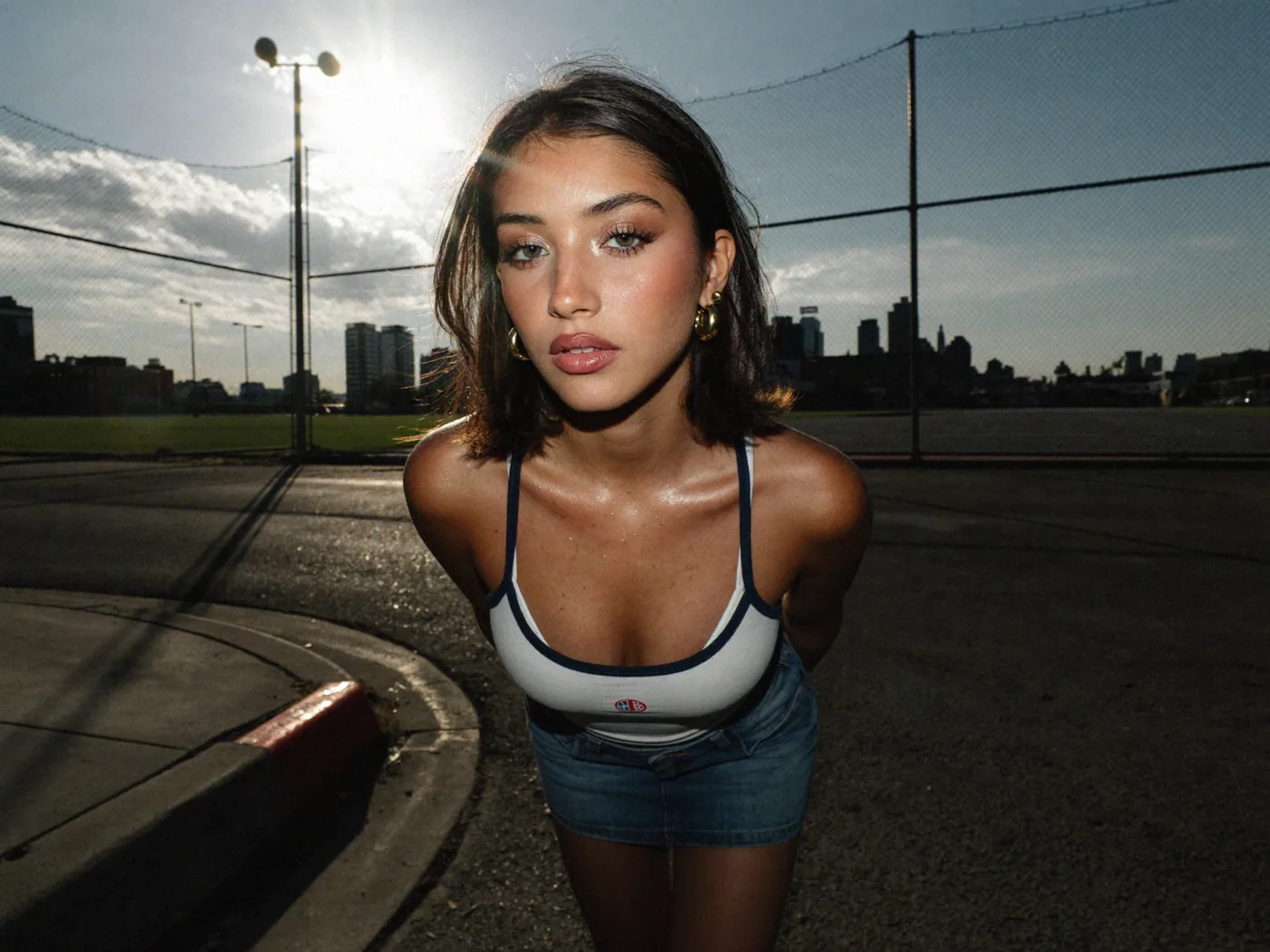
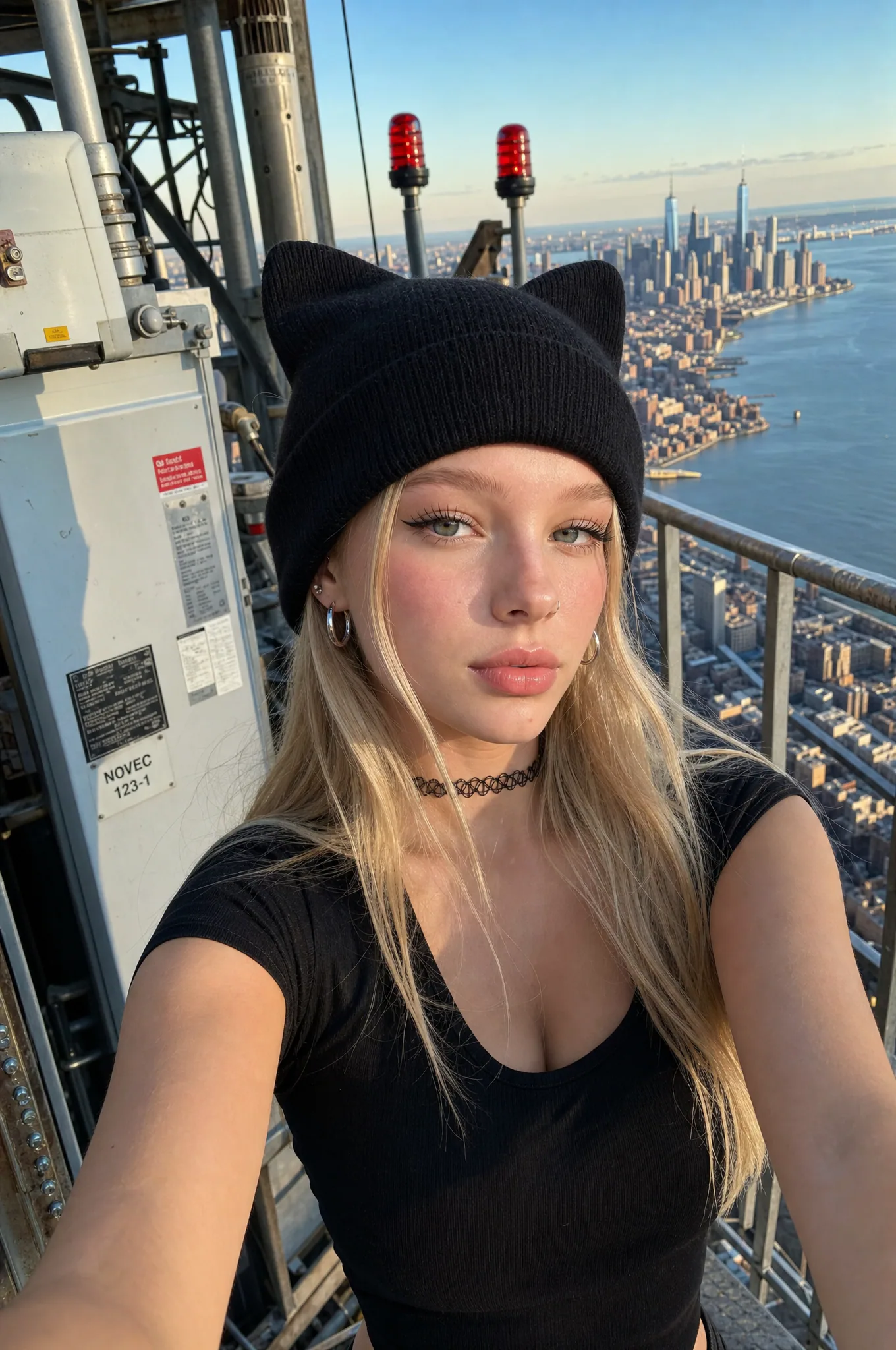
Training is a one-time 720 credits and typically completes in minutes. Upload 10–20 consistent reference images (see model training for what makes a reference set work), train, then run a validation batch across contexts — close-up, full-body, indoor, outdoor — before publishing a single post.
The reason to validate first is TikTok-specific: comment sections notice identity drift immediately, and 'why does she look different in every video' is not the engagement you want. A persona that holds across contexts is the entry ticket, not a nice-to-have.
Budget one honest afternoon for this step. Ten validation prompts at 12 credits each is 120 credits — a rounding error against the 720-credit training — and it is the last point where fixing the reference set is cheap. Discovering a drift problem in week three of posting costs an audience's first impression instead.
Step 3 — Produce vertical-first stills in weekly batches
Prompt for 9:16 from the start. TikTok photo posts and slideshows are an underrated distribution surface, and stills at 12 credits (720p) or 14 credits (1080p) are your cheapest testing layer — you learn what the niche responds to before any credit-heavy video exists.
- Prompt vertical and casual: 'vertical 9:16, phone-camera feel, eye-level, ambient light' beats studio language on TikTok
- Series beat singles: 3–5 recurring formats make the account legible to both the algorithm and humans
- Batch a week per session and save each format as a preset so week four matches week one
Step 4 — Animate winners with image-to-video
Video is where TikTok reach lives, and also where credits go fast: a 5-second image-to-video clip costs 210 credits and a 10-second clip 420. The workflow that survives that math: post stills and slideshows broadly, watch which frames earn watch-time and saves, and animate only the proven ones — the stills-to-video guide walks through the exact flow.
Subtle motion outperforms spectacle for persona content: a head turn, hair moving, a slow push-in. Big camera moves fight the trained identity and read as an effect rather than a person.
Step 5 — Label it and hold the cadence
Turn on TikTok's AI-generated content label for every post featuring your realistic synthetic persona — it is required for realistic AI content, and unlabeled synthetic media risks removal under the platform's synthetic-media rules. Add a plain-language bio disclosure as well (see AI content label); the followers you keep after disclosing are the only ones worth counting.
Then hold the cadence, because cadence beats intensity: a persona posting daily for a month teaches you more than thirty posts published in one burst. Budget-wise, a daily still cadence plus two or three clips a week lands around 3,000–4,000 credits per month — Creator at €69/month covers it with headroom for retries.
The formats that fit a synthetic persona
Some TikTok formats depend on a live human — duets, voice-led storytimes, reactive face-to-camera commentary — and fighting for them wastes credits. The formats below play to what a trained persona is actually good at: visual consistency, repeatability and volume.
- Photo slideshows with text overlays: cheap at 12–14 credits per slide, fast to batch, and TikTok actively distributes them
- Aesthetic loops: a 5-second clip of the persona in a signature setting, reused as the backdrop of a series
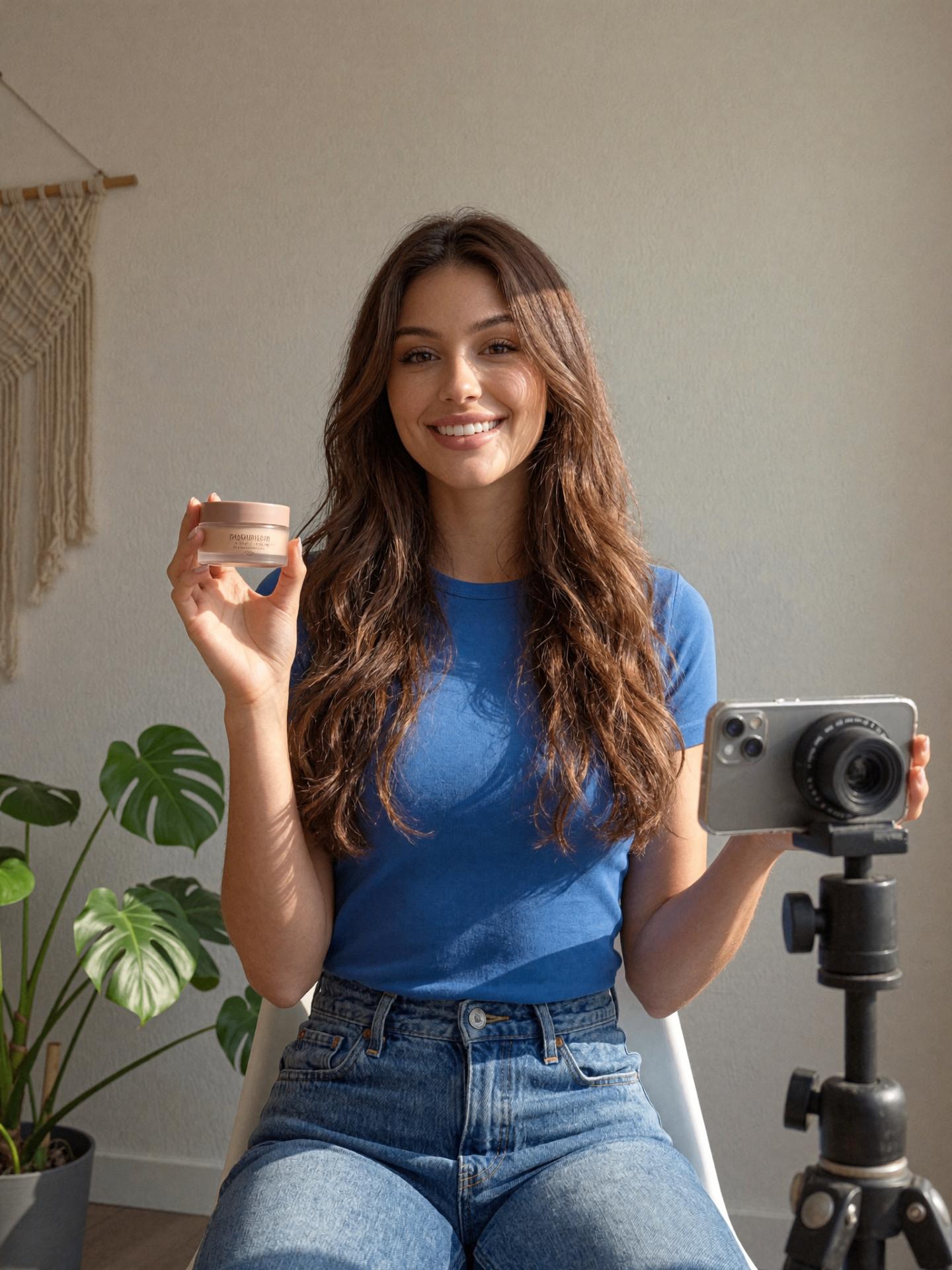
- Outfit or product line-ups: one frame per look, same pose and lighting — the consistency itself is the hook
- Day-in-the-life stills: a sequence of candid frames that reads as a story without needing dialogue
What typically works (and what gets accounts flagged)
- Works: niche-locked recurring series, honest AI labels, replying to comments in a consistent persona voice
- Works: slideshows of stills as a cheap testing layer before any 210-credit clip
- Fails: unlabeled realistic synthetic people — expect platform-applied labels, reduced distribution or removal
- Fails: implying the persona is a real person with real product experiences — a policy and legal line, not a style choice