

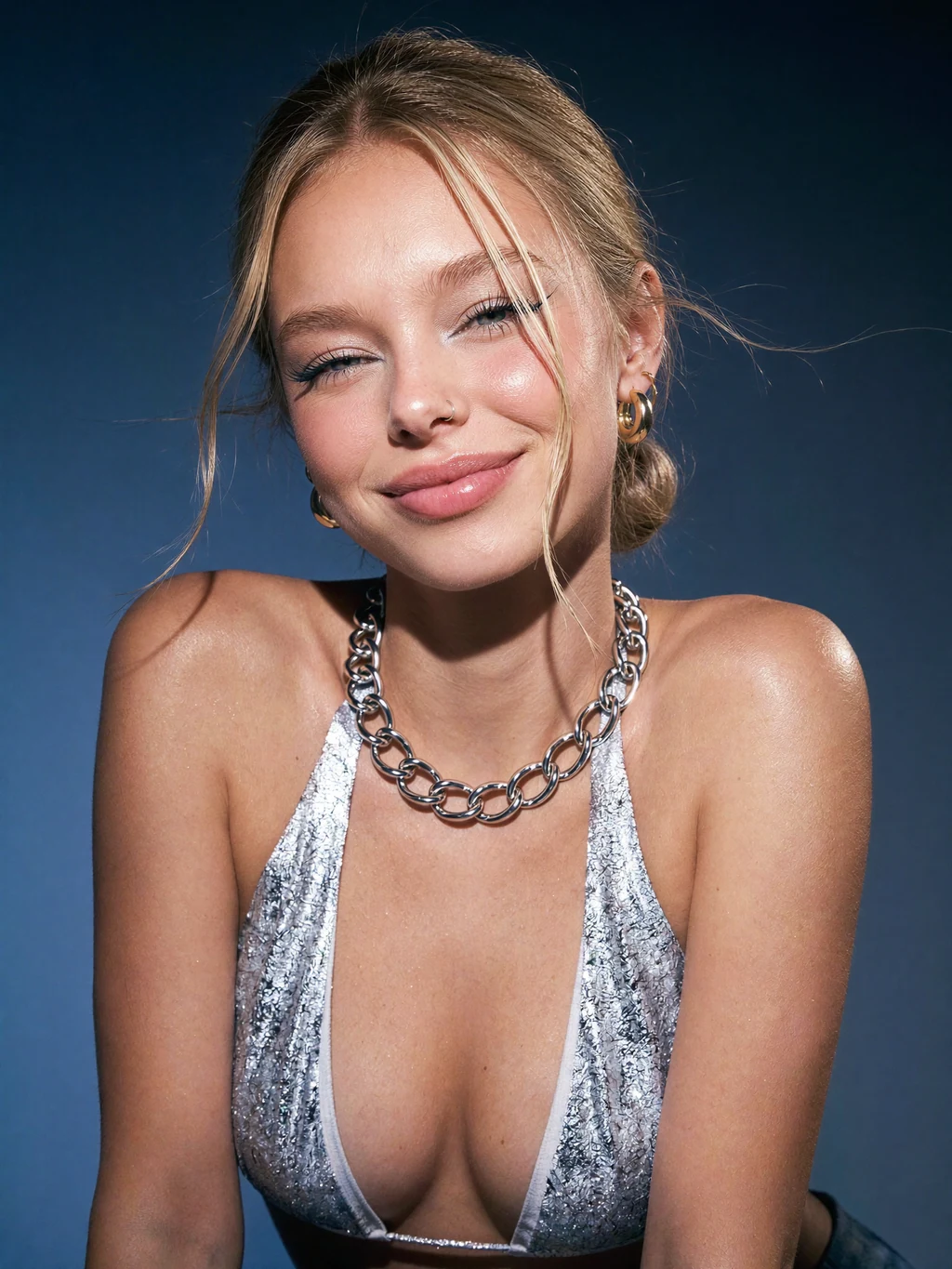

Your First 1,000 AI Influencer Followers: What to Test on Instagram
Build an AI influencer’s early Instagram audience with a clear profile, repeatable posts and useful metrics. Practical experiments without growth guarantees.
Field-tested guides for building consistent AI personas, better UGC creatives, and production systems that scale.


What is actually inside an AI-generated image file: the machine-readable AI marker, what strips it, and how to check any file yourself with one command.

Why link-in-bio clicks from TikTok and Instagram never become signups: what in-app browsers break, what you can control, and how to measure the handover.

How to name an AI influencer: the four tests every candidate has to pass, naming patterns that age well, handle strategy, and why to lock it before training.

Turn interest in an AI creator into a clear Fanvue offer. Profile links, previews, subscription scope and funnel diagnosis, with a worked example.

How do AI influencers make money? A short overview of four revenue models — brand deals, performance creative, own products and audience monetization.

AI influencer vs human influencer: an honest cost breakdown, control and performance trade-offs, and when each one wins — with real per-asset numbers.

How to start an AI UGC agency in 2026: pick a vertical, train a persona roster, price packages against real credit costs, and standardize delivery.

AI character consistency, diagnosed: four causes of persona drift — prompt-described identity, weak references, prompt overrides, ignored seeds — and fixes.

What an AI influencer costs in 2026: one-time training, per-image and per-clip pricing, realistic monthly budgets, and how it compares to human creators.

Before you publish AI influencer content: EU AI Act transparency duties, FTC endorsement rules, platform AI labels and likeness rights — in plain language.

How to run an AI influencer on TikTok: persona design, vertical-first stills, image-to-video clips, mandatory AI labels and a sustainable cadence.

Turn winning stills into image-to-video ads: test angles at 12–14 credits per still, animate proven frames at 210 credits, extend only verified winners.

UGC ad hooks decide performance in the first second. Six hook archetypes, a matrix testing method and honest kill criteria — at 12–14 credits per variant.

Choose content pillars, batch your AI influencer shoots and budget each format. A planning method with a worked example and a free 30-day Academy template.

What the EU AI Act means for AI influencers in 2026: who labels what, how to disclose in practice, and what the Act does not require. Not legal advice.

How to go from a folder of reference images to a trained AI persona ready for commercial use — and what 'brand-safe' actually means in practice.

AI content label rules on Instagram, TikTok and YouTube: what each platform requires for synthetic media, and one workflow that satisfies all three.

The production workflow behind AI models for fashion e-commerce: reference set, colorway variants, product accuracy in every shot, and where it breaks down.

Plan an AI fashion photoshoot from moodboard to HD catalog: shot lists, Forge Styles, seed control, resolution strategy and export — with credit costs.

UGC outperforms polished studio ads on most paid channels. How brands and solo creators use AI-generated UGC to hit creative volume on a small budget.

How to create an AI persona that looks the same across every post, format and platform — consistency is what makes an influencer account believable.

An operations first playbook for creative teams: automate admin tasks, run a 10 day pilot with six quick wins, then add governance and agentic AI to scale...

Six steps to scale TikTok AI ads with Symphony and Smart+. Build identity consistent UGC, run sandbox tests, and keep C2PA proof.

Ops playbook for performance marketers to spot ad creative fatigue early. Use a two signal trigger, modular production, and AI to refresh creatives fast.