

The cost equation in fashion content production
A single model booking for a mid-range fashion shoot — studio hire, styling, photography, post-production — runs anywhere from $2,000 to $10,000 for a day of usable content. DTC brands launching multiple SKUs per season face this cost repeatedly. This article is the production walkthrough; if you want the commercial case first — what it replaces, what it costs per image — start with the AI model generator for fashion and e-commerce.
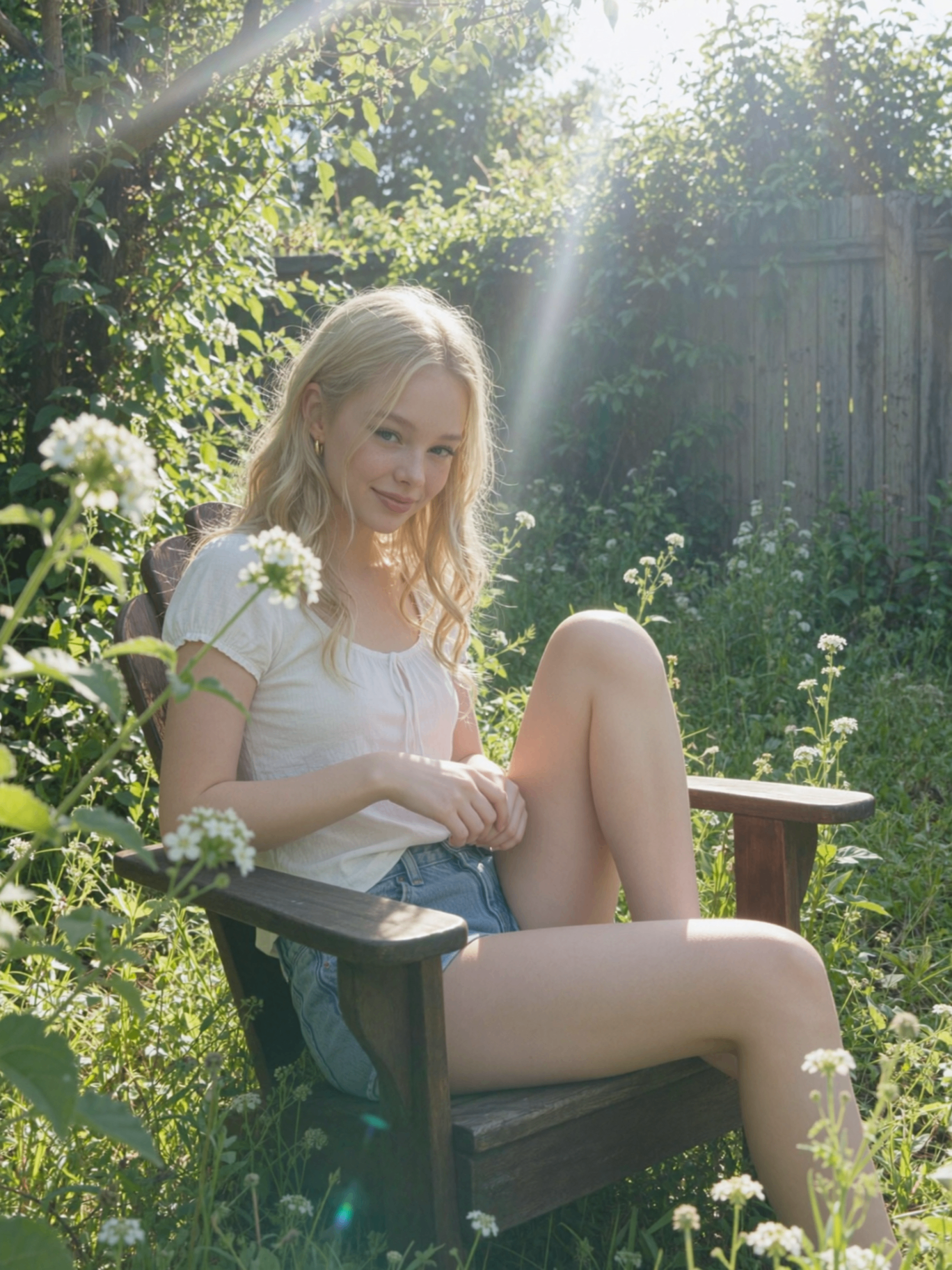
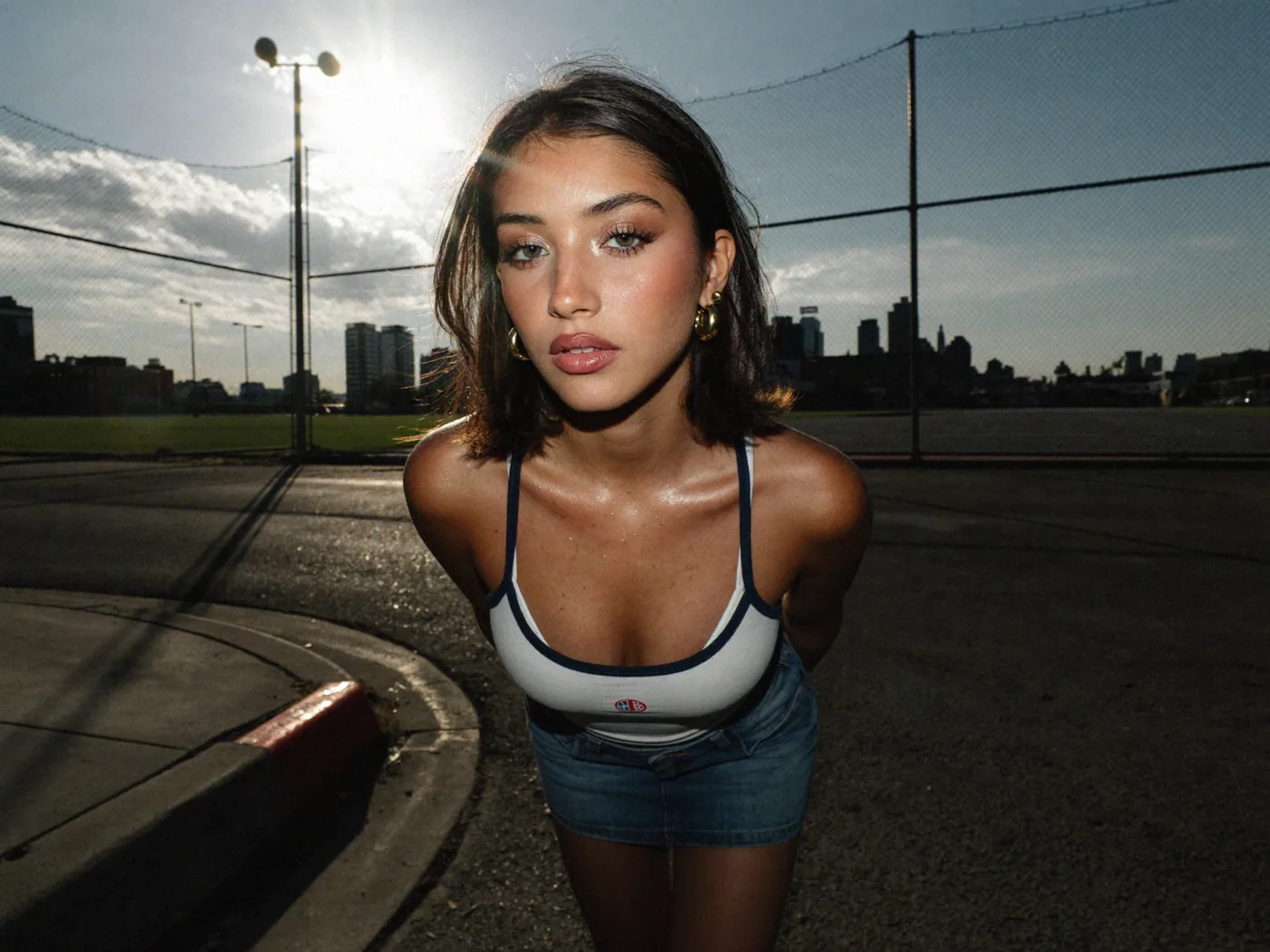
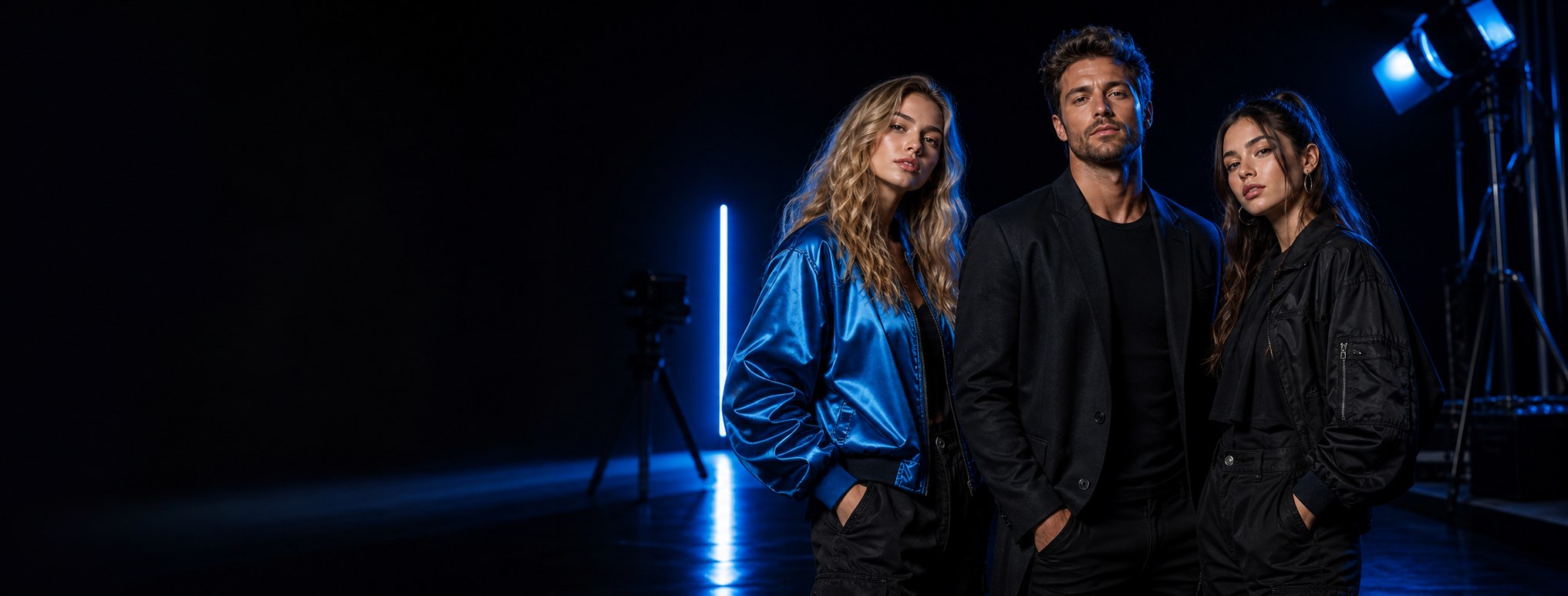
AI-generated fashion photography does not eliminate every professional shoot. Hero campaign imagery still benefits from real craft. But it fundamentally changes the math for catalog photography, social feed variants, and A/B testing new colorways before committing to inventory — the fashion & e-commerce use-case guide breaks down the workflow and per-image costs.
Where AI model photography works best
The current generation of AI image tools performs best in specific scenarios. Understanding those scenarios lets you allocate real photography budget to the work that genuinely benefits from it.
- Catalog thumbnails and product-page secondary images where consistency matters more than artistic direction
- Color variant photography — the same outfit in six colorways with the same pose and lighting
- Social media feed content at high volume (3–7 posts per week)
- Concept visualization for buyer decks before a collection is shot
- Localized creative for different markets with slight styling adjustments
Building a brand-consistent AI persona for fashion
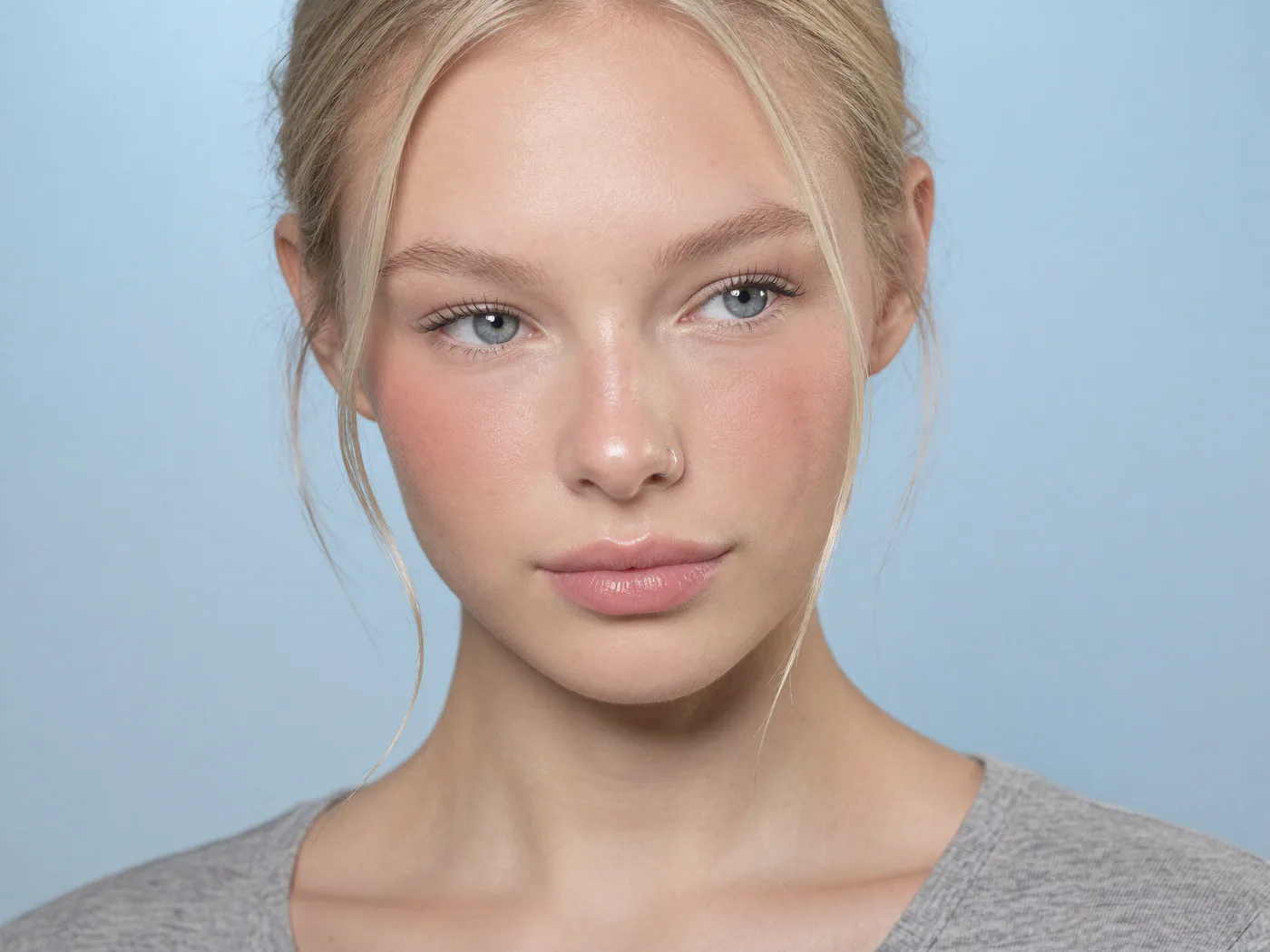
Fashion brands typically want consistency not just across a campaign but across seasons. Training a persona that becomes recognizable as 'the face of the brand' requires thoughtful curation of reference photos.
Reference photos should reflect the aesthetic target, not just the physical description. If the brand shoots in natural light with an editorial feel, reference photos from that same aesthetic will push the trained model toward it. References pulled from a completely different visual style will confuse the output.
Prompt patterns that work for clothing
Clothing photography has specific prompt requirements. The model needs to wear the item; the item needs to look like the item. This is harder than lifestyle photography because fit, drape, and fabric texture all matter to the customer.
Split the job by what has to be exact. Where the specific piece must be recognizable — its print, colorway, label or packaging — do not try to reproduce it in words: attach a photo of the real item to a UGC product ad render (56 credits) and the engine reproduces that exact item, presented in frame or in the model's hands. Worn fit and drape on the body remain the harder problem, and that is where a real photograph still wins — let AI carry scene, pose, lighting and volume, and shoot the fit shots that a customer actually judges.
- Specify fabric in your prompt: 'linen trousers with natural drape' outperforms 'white pants'
- Describe the fit explicitly: 'oversized blazer, slightly open at chest, cuffed sleeves'
- For flat detail shots, prompt without the model: 'product flat lay, marble surface, editorial lighting'
- Keep your style reference consistent across prompts: same lighting adjective, same photography style label
Legal and ethical notes for fashion brands
All models generated through InfluencerForge.app are entirely synthetic — no real person is depicted. Generated assets cannot be used to imply endorsement from a real individual. For advertising regulated products (alcohol, supplements, cosmetics with health claims), synthetic model content is subject to the same disclosure requirements as other AI-generated creative.
Review the platform's content policy and your jurisdiction's advertising standards before deploying AI-generated fashion content in paid campaigns.