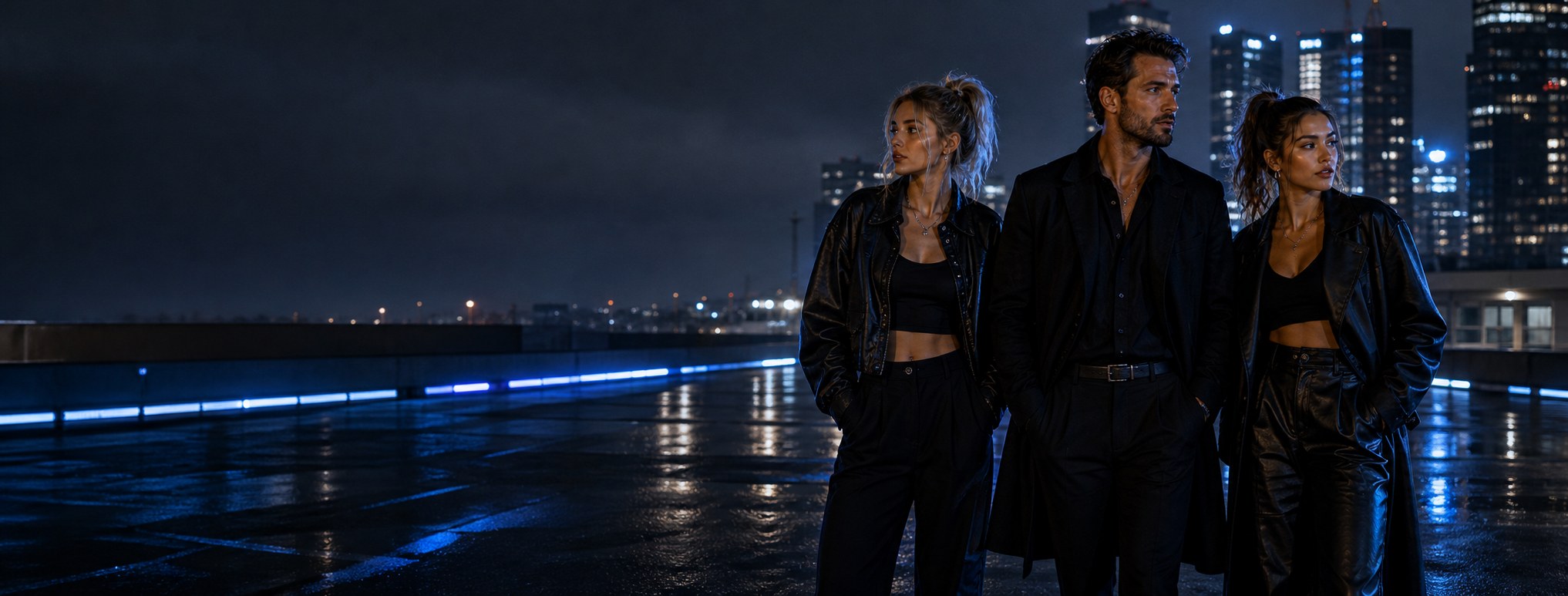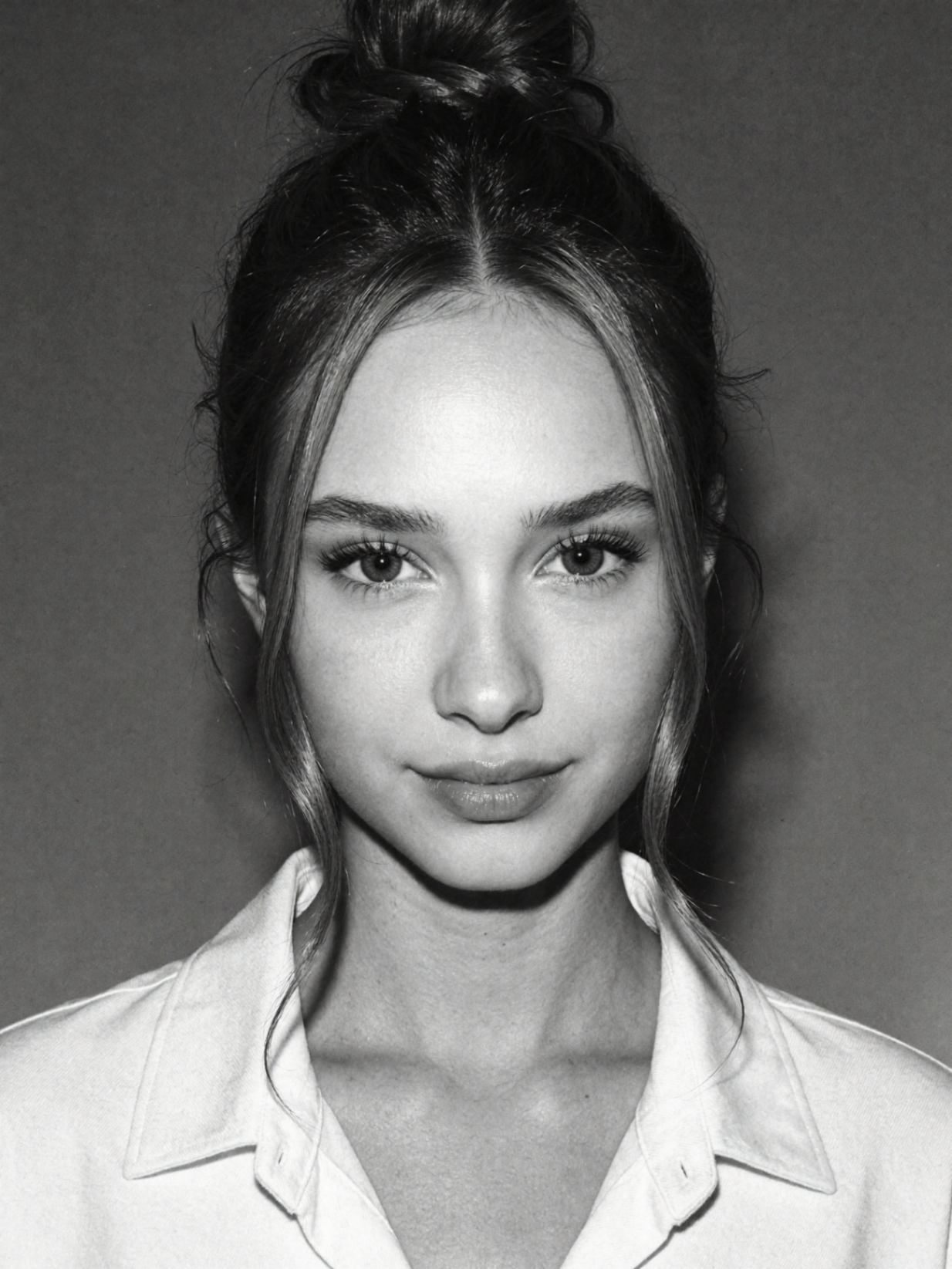



Why UGC ads outperform studio creative
UGC (user-generated content) looks like something a real person filmed on their phone — because it used to be. The production aesthetic signals authenticity to audiences trained by years of social feeds, and most ad platforms reward that with lower CPMs and higher engagement rates. (For the full production workflow, see our AI UGC ads use-case guide.)
The problem: sourcing authentic UGC at scale requires either a large creator budget or a marketplace subscription. AI-generated UGC replaces that bottleneck. A single consistent, trained AI persona can produce dozens of unique creative assets in an afternoon, each looking distinct enough to avoid ad fatigue.
What makes UGC creative feel real
The signals audiences read as 'authentic' are mostly compositional and lighting-based. A portrait shot at eye level, slightly imperfect framing, natural ambient light, and a candid expression reads as personal. A perfectly lit, centrally composed, retouched image reads as brand advertising — even if the subject is synthetic.
When prompting for UGC-style content, steer away from studio language. Describe the shot as if a friend took it: 'candid photo, slightly off-center, kitchen countertop background, morning light through window, holding the product naturally'. The product itself is not a prompt problem — on the UGC product ad lane you attach one photo of it and the render reproduces that exact item, label and all, so your words are free to describe the moment around it.
A four-angle testing framework
The fastest way to find a winning creative is to test four distinct angles with the same AI persona. Train one character, then generate four batches with different scenarios. Each batch should feel like it comes from a different moment in that persona's life.
- Problem/solution: the persona encounters the problem your product solves, then resolves it
- Lifestyle: the persona in their natural environment where the product would fit
- Results: a 'before/after' style composition showing an outcome
- Social proof stand-in: a direct-camera, testimonial-style framing
Creative volume and commercial licensing
Ad testing at the Meta or TikTok level requires volume. A typical A/B test across audiences might consume 20–40 creative variants before finding statistical confidence. Running that through a real-creator UGC pipeline costs thousands per round. With an AI persona the marginal cost per asset is a credit price instead: hooks, settings and framings are ordinary photoshoot images at 12–14 credits, and only the variants that have to show the actual product go through the 56-credit UGC product ad lane.
On paid plans, InfluencerForge.app grants a commercial license for generated assets, which means you can use them in paid advertising without additional clearance. Verify your current plan's terms in the billing section — the free tier is for personal and non-commercial use only.
What to avoid in AI UGC ads
Platform moderation catches obvious AI tells faster than it used to. Avoid prompting for unrealistic skin perfection, physically impossible lighting, or text inside the image (AI-generated text is still unreliable and may violate platform policies on misleading ads).
Also avoid implying the AI persona is a real specific person or celebrity. Keep personas original — entirely synthetic characters with no resemblance to a named individual. This is both a platform policy requirement and a legal best practice.