

What 'brand-safe' means for an AI persona
Brand safety for AI-generated content has two dimensions: platform safety (will this be removed or flagged?) and brand reputation safety (could this image create liability or embarrass the business?). Both are worth planning for before you begin training.
The simplest approach is to keep every generated image clearly commercial in nature — product contexts, lifestyle settings, professional aesthetics. Avoid prompts that push toward explicit, politically sensitive, or medically unverifiable claims. These fail both dimensions simultaneously.
Selecting reference photos
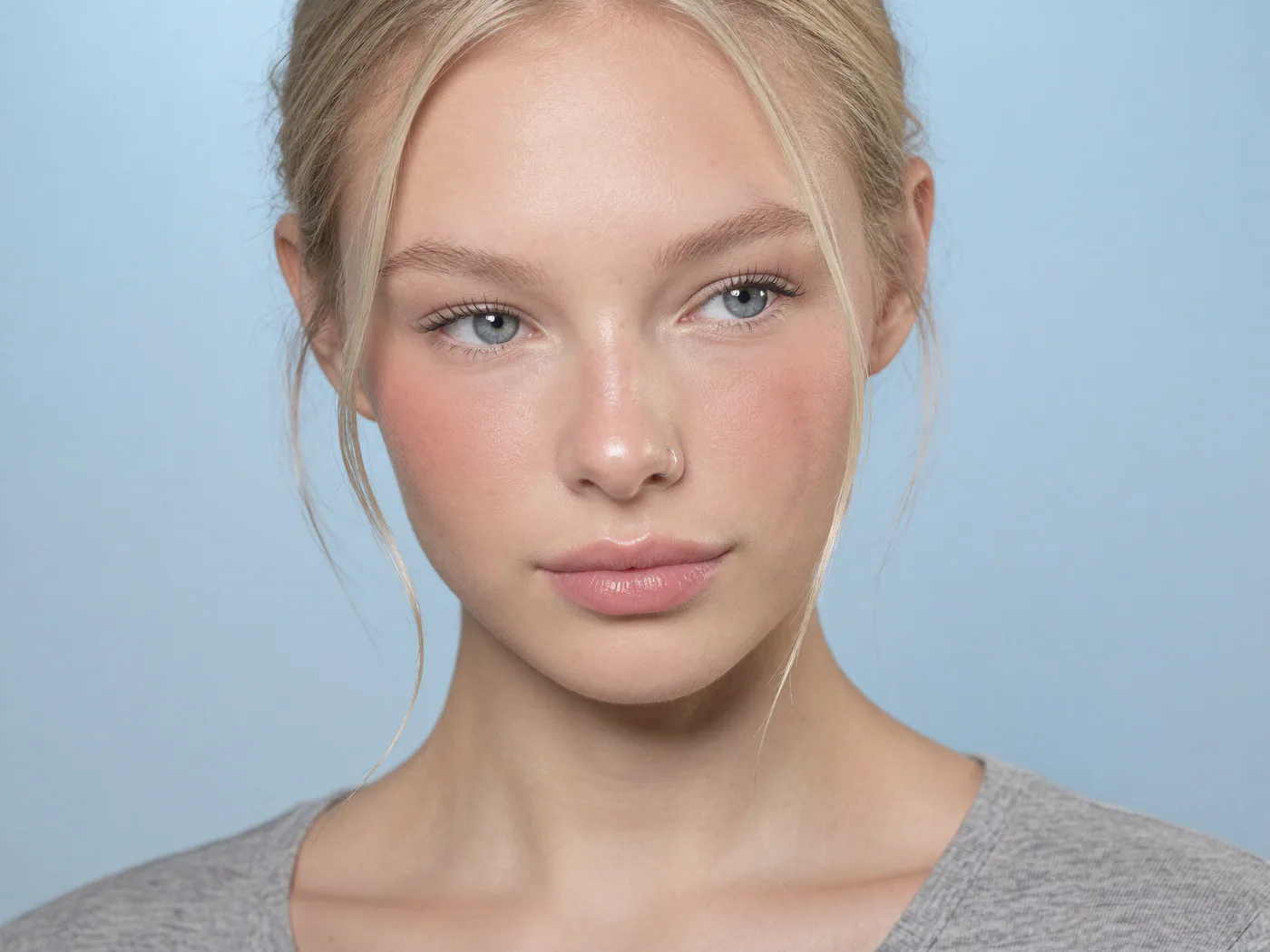
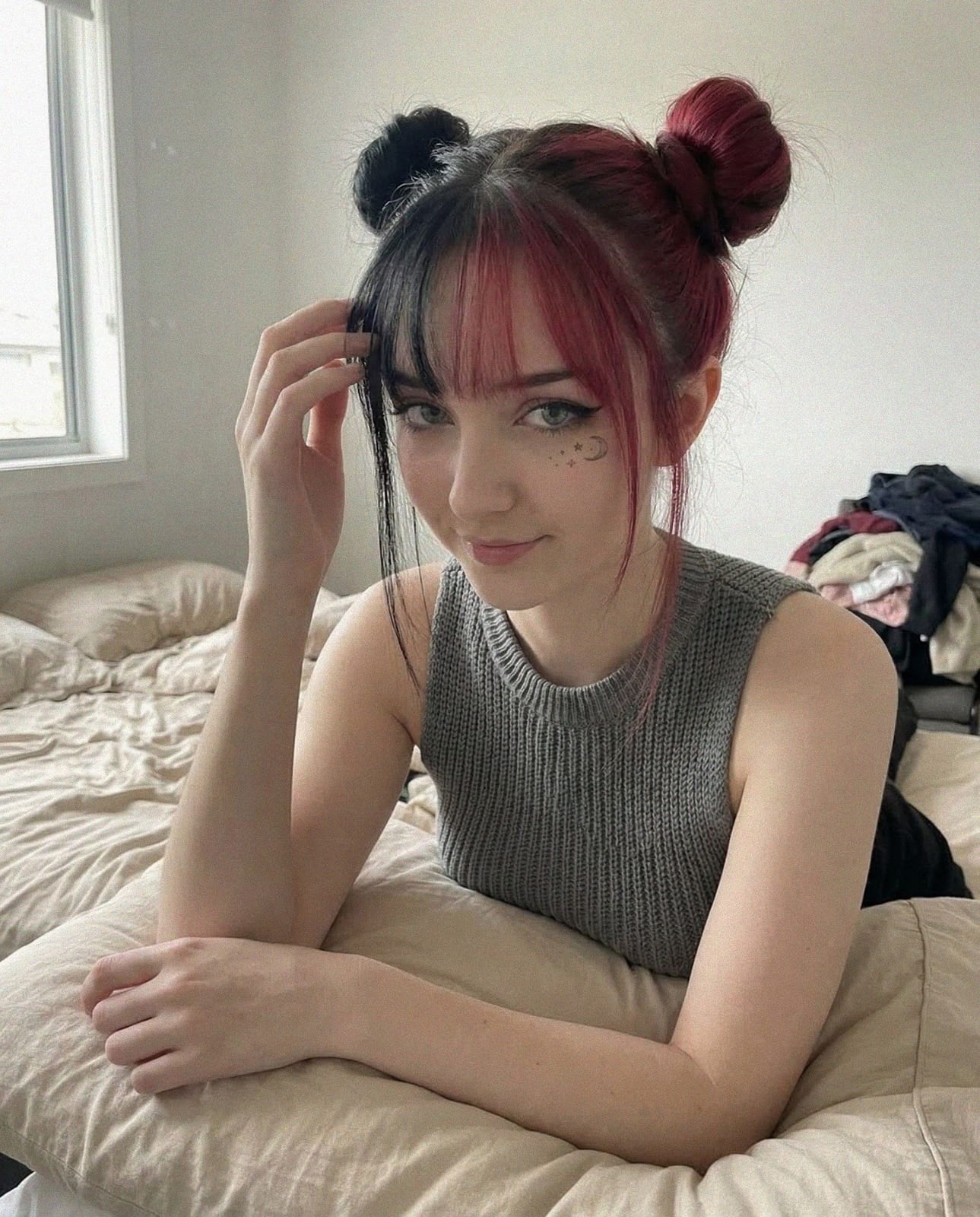
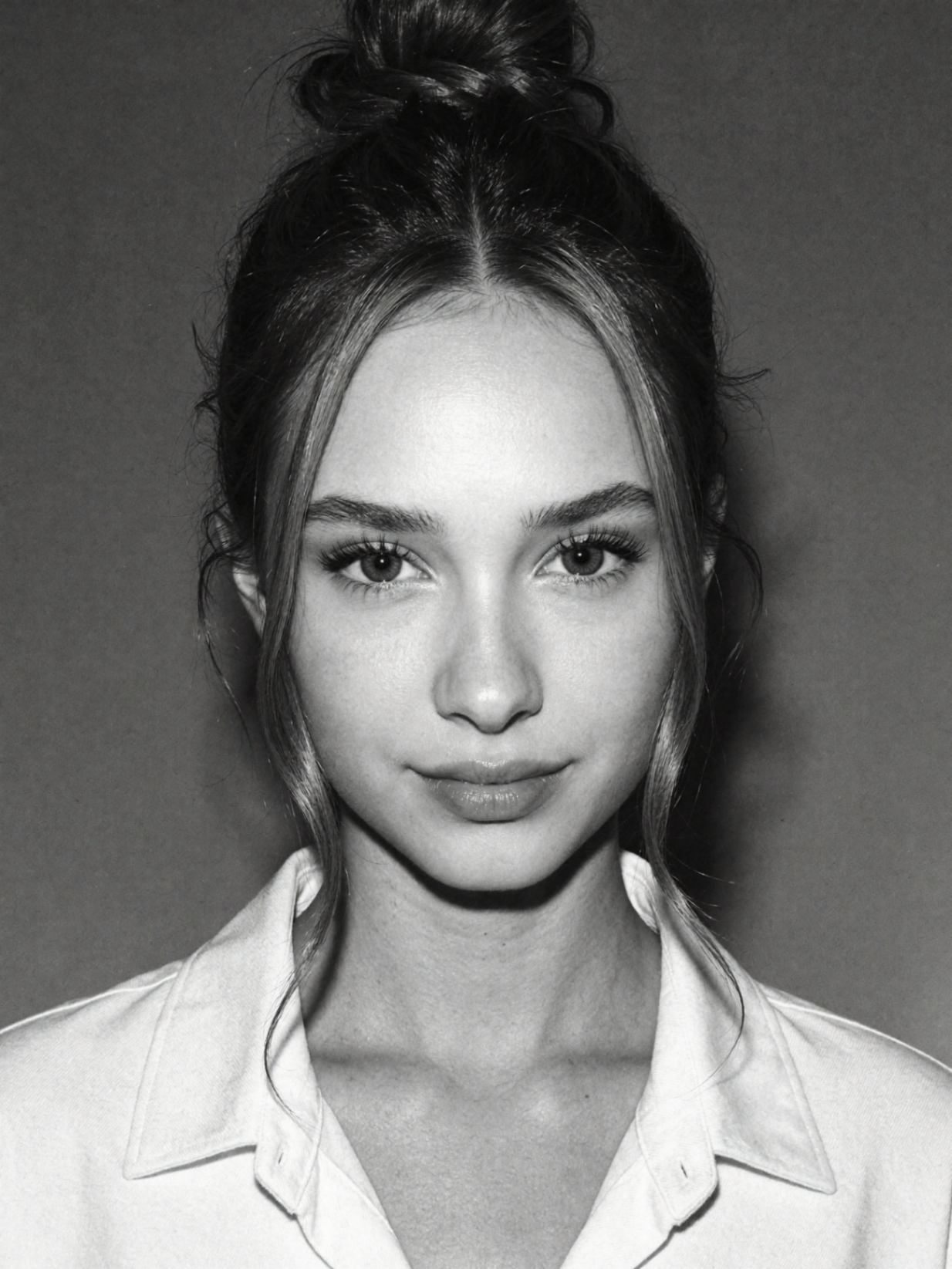
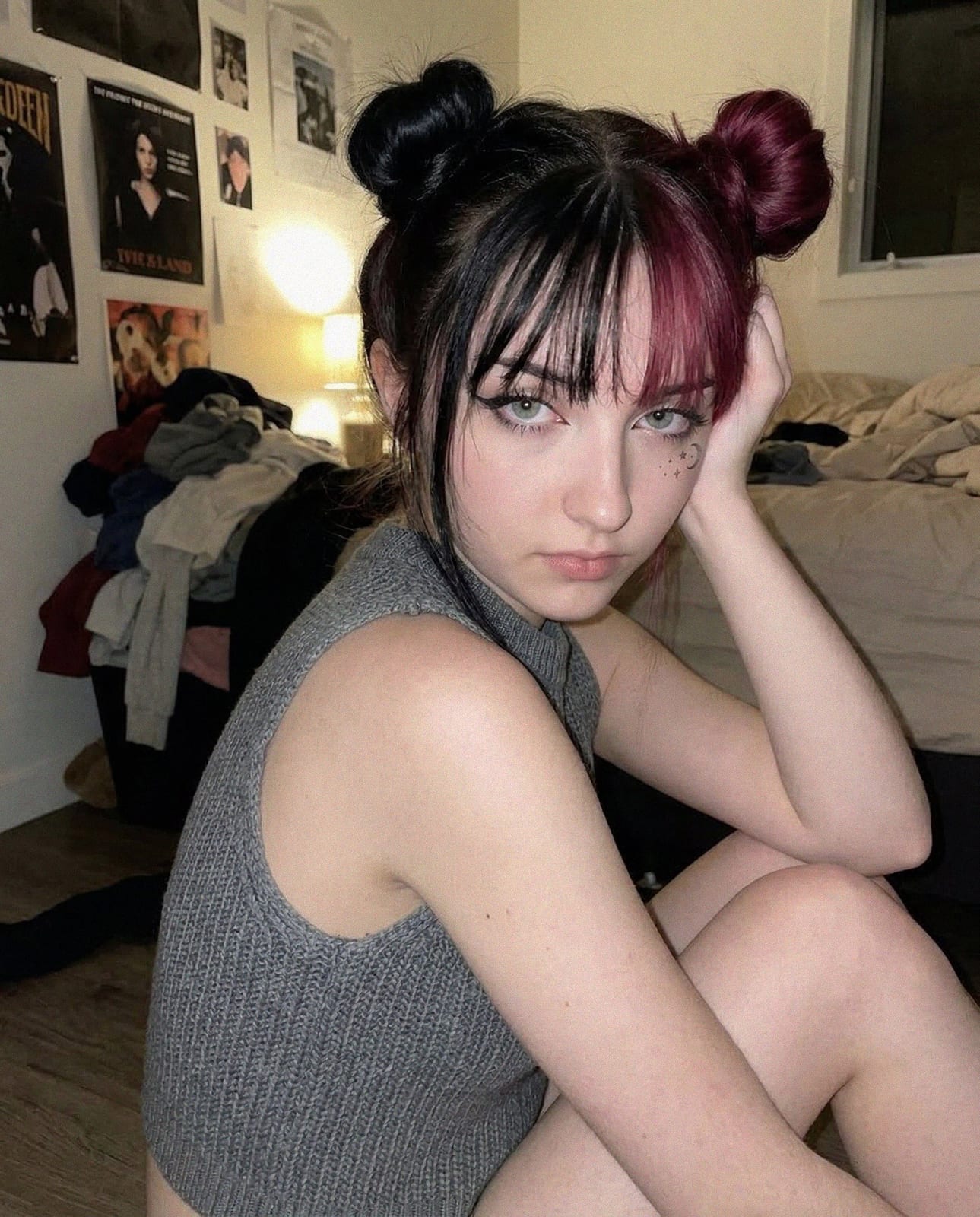
Reference photos are the foundation of a trained persona. Every image in your reference set must depict either a synthetic character or a real person who has explicitly consented to their likeness being used for model training.
InfluencerForge.app does not support cloning real celebrities, public figures, or any person without consent. The platform's content policy requires that all reference images used for training are either generated by AI tools, are original creations, or are sourced from individuals who have given written consent.
- Use AI-generated reference images from any third-party image generator as a starting point if you do not have a real-person subject
- Ensure reference images show a consistent identity — same person, different contexts
- Aim for 12–16 references at minimum for commercial-quality training
- Vary head angle: frontal, three-quarter left, three-quarter right, slight profile
- Vary lighting: natural, indoor ambient, soft studio — this builds robustness
- Avoid accessories that may shift (glasses, hats) unless they are a core identity trait
The training process
Upload your curated reference set, complete the persona description form (gender, age 18+, hair, body type, vibe, optional trigger word), and start training. The process runs on our in-house Forge Engine and typically completes in 5–15 minutes. Credits are refunded automatically if training fails.
After training completes, run a small batch of ten test prompts before committing to production content. Use diverse scenarios — indoor, outdoor, close-up portrait, full-body — to confirm the persona holds across contexts. A well-trained model should feel like the same character in every output.
Establishing a prompt library
The most efficient brand-safe workflow involves a reusable prompt library. Document your validated prompts in a shared file: the exact wording that produces your preferred lighting, composition, clothing style, and background type. Every new campaign starts from this library rather than from scratch.
A prompt library also acts as a safety layer. When every team member uses the same validated templates, it reduces the risk of someone accidentally prompting for content that falls outside brand guidelines.
Commercial licensing and what it covers
On paid plans, generated images come with a commercial license that allows use in advertising, e-commerce product pages, social media (paid and organic), print materials, and branded presentations. The free tier is non-commercial and should not be used for paid advertising or product listings.
The commercial license covers the generated image itself. It does not transfer trademark or IP over the AI persona's visual identity — if another user happened to train a visually similar character, the platform does not adjudicate exclusive rights. For exclusive commercial use cases, consult with legal counsel on the appropriate approach.
Ongoing maintenance and iteration
A trained AI persona is not permanent. As your brand evolves — new season aesthetic, updated visual identity, different product category — you may want to retrain with updated references and a revised persona description. The existing model stays accessible while a new version trains alongside it. Once the persona is validated, a 30-day content calendar is the fastest way to put it to work.
Keep a version log: date trained, reference count, persona notes, and a sample image from each training run. This creates an audit trail that is useful for brand consistency reviews and for diagnosing why outputs from a newer training run differ from an older one.